
Why do life-threatening situations make some people more calm?
e heart rates of the best bomb disposal experts actually drop when they're in the danger zone. Why? Confidence. Via The Wisdom of Psychopaths: What Saints, Spies, and Serial Killers Can Teach Us About Success: Back in the 1980s, Harvard researcher Stanley Rachman found something similar with bomb-disposal operatives. What, Rachman wanted to know, separated the men from the boys in this high-risk, high-wire profession? All bomb-disposal operatives are good. Otherwise they’d be dead. But what did the stars have that the…
2 minutes

Are puppies the secret to productivity?
iewing cute images improved performance on tasks that required carefulness," researchers concluded. Via Bodyodd: "Viewing cute images improved performance on tasks that required carefulness," researchers concluded. Earlier experiments found that people did a better job playing the game Operation after viewing photos of puppies and kittens. Researchers speculated that the cute images made subjects more attuned to being careful because baby animals suggest vulnerability... This means anyone who has to do work that requires careful attention, such as copyediting or accounting, could benefit. And: So go…
1 min read

6 things that will make you more productive:
u're only productive at work three days out of the week: People work an average of 45 hours a week; they consider about 17 of those hours to be unproductive (U.S.: 45 hours a week; 16 hours are considered unproductive). So how can you improve that? Make It Automatic The secret to getting more done is to make things automatic. Decisons exhaust you: The counterintuitive secret to getting things done is to make them more automatic, so they require…
5 minutes

How To Change Bad Habits Into Good Habits: 5 Steps From Research
onically, studies show saying "I'll never do that again" makes you even more likely to do that again. About 40% of the actions we perform in a day are habits. So we're on autopilot almost half the time. Let's round up the research on bad habits and good habits and learn the best way to turn one into the other. Awareness The first step is awareness. That cigarette doesn't magically appear in your mouth. Noticing yourself acting habitually is…
2 minutes

How To Optimize Your Daily Schedule
know how most people spend their time. What can research tell us about the best way to spend our time? Maybe you're a night owl. You don't want to get out of bed. There's a way to get out of that habit. And it's important because your mood in the morning affects your entire day. Is it Monday? Don't worry, it won't be as bad as you think. (On the other hand, Fridays aren't that great, either.) There are…
3 minutes
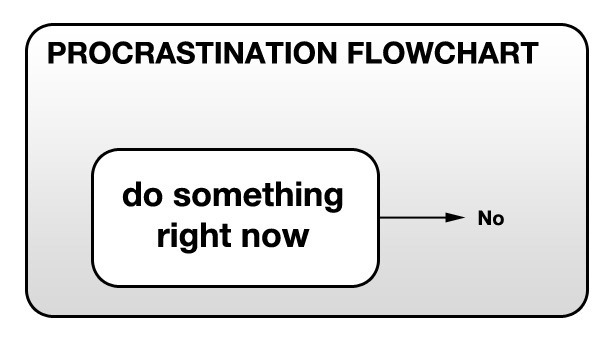
The Secret To Beating Procrastination, According To Research
procrastinate the most when we're in a bad mood and think we can improve it with something fun. When we're in a good mood or when we don't think we can improve how we feel we screw around a lot less. Via Temptation: Finding Self-Control in an Age of Excess: So procrastination is a mood-management technique, albeit (like eating or taking drugs) a shortsighted one. But we’re most prone to it when we think it will actually help. In…
2 minutes

How much does jet lag affect performance?
amatically. By betting on west coast teams in every Monday Night Football game where they played east coast teams you'd beat the point spread 70% of the time. NFL teams that crossed three time zones for a game "were twice as likely to be beaten by a lower-ranked opponent in the tournament’s first round." On the flip side, competing while their body is at the peak of its circadian rhythm increased performance of long jumpers by 4%. "...in sports as…
2 minutes

What’s a fun way to be more creative and more productive?
ke more breaks. Via the NYT: A growing body of evidence shows that taking regular breaks from mental tasks improves productivity and creativity — and that skipping breaks can lead to stress and exhaustion. And: Management should encourage employees to devise individually effective break routines, Dr. Levine says. But he also has some general guidelines: try working in intense 15-minute bursts, punctuated by breaks, in cycles that are repeated throughout the day. This works because “the thought process is not…
1 min read
