
How can you stop wasting so much time on the internet?
t more sleep. Cheating yourself on sleep reduces willpower and it's this same store of self-control that helps us resist all those bad behaviors like aimless web-surfing. Via BPS Occupational Digest: Researchers have previously argued that sleep is a means of recharging our regulatory resources, and these studies confirm that less sleep does indeed make us prey to counterproductive activities like cyberloafing. Join over 140,000 readers. Get a free weekly update via email here. Related posts: 10 things you need to…
1 min read
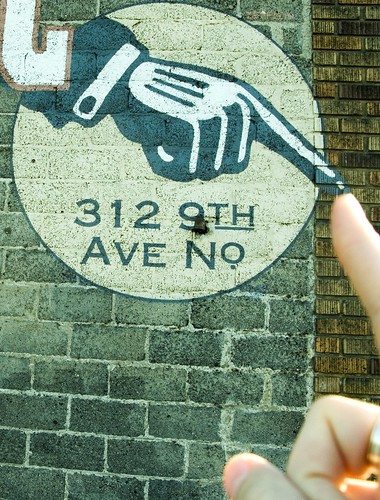
The Simple Gesture That Can Make You Seem Smarter
e study was done on children so it might not be applicable to adults but it's fascinating nonetheless: Merely pointing at something made someone who had been established as ignorant appear just as competent as someone in the know. Via APS: The one who did the hiding would be the only one truly informed about the location of the ball. We know this and the kids obviously knew this, and indeed they picked the knowledgeable adult when both adults were…
2 minutes
This Is The Quickest Way To Become An Expert Negotiator
nice. We often associate negotiation with being tough or manipulative. While there are certainly situations where that's the case, a great deal of the recent research says we can improve our results by thinking more about making friends than waging war. A great deal of what it takes to influence others, gain their compliance and lead successful negotiations is just good advice on how to be a decent person. Be warm. We value warmth more than competence. Happy people…
2 minutes
Can teddy bears make you more ethical?
nt people to play nice and not cheat each other? Bring toys. Via Harvard Business Review: The finding: Adults are less likely to cheat and more likely to engage in “pro-social” behaviors when reminders of children, such as teddy bears and crayons, are present. The research: Sreedhari Desai and her research partner Francesca Gino had people play classic psychology games in which the subjects controlled how much money other people earned and could earn more themselves if they lied. Half…
1 min read
Do guilt-ridden people make great leaders?
ilt-ridden people work harder, perform better and are seen as stronger leaders. Via Harvard Business Review: The finding: People who are prone to guilt tend to work harder and perform better than people who are not guilt-prone, and are perceived to be more capable leaders. The research: Francis Flynn gave a standard psychological test, which measured the tendency to feel guilt, to about 150 workers in the finance department of a Fortune 500 firm and then compared their test results…
1 min read
10 Ways To Read People Like Sherlock Holmes, Backed By Research
e BBC series Sherlock is currently my favorite show on television. Sherlock Holmes instantly decodes someone's life story and personality from a quick look at the person and their belongings. Of course, the show is fiction. But Sherlock Holmes is a great example of expert behavior. How much of his skill could we possess in real life with knowledge of the research on what factors predict which personality traits -- and which signals are reliable? Here's a quick rundown on…
2 minutes

Do unusual and unexpected experiences make you more creative?
s, if you're actively involved in them -- watching isn't enough: Past research has linked creativity to unusual and unexpected experiences, such as early parental loss or living abroad. However, few studies have investigated the underlying cognitive processes. We propose that some experiences have in common a “diversifying” aspect and an active involvement, which together enhance cognitive flexibility (i.e., creative cognitive processing). In the first experiment, participants experienced complex unusual and unexpected events happening in a virtual reality. In the…
1 min read
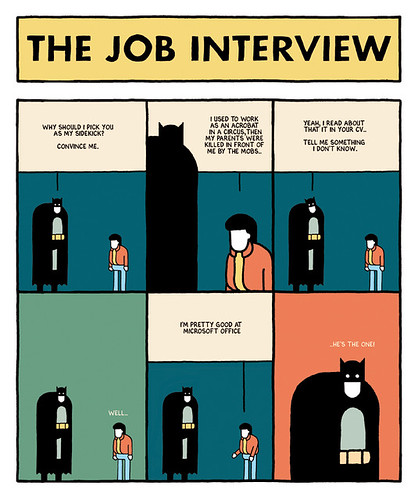
What body language signals motivation, social skills and conscientiousness in a job applicant?
e signals that were connected with applicants personalities: Speech, gesturing, appearance = social skills Leaning forward = motivation Formality of dress = motivation/conscientiousness Via Sam Gosling's book Snoop: What Your Stuff Says About You: However, when Gifford and his collaborators looked at the other half of Brunswik’s model—the connections between what people were really like (not just how they were judged) and the behavioral cues—unexpected findings came to light. Brunswikian came to light. Brunswikian analyses showed that the talking, gesturing, and…
1 min read
