Yes, science shows creative people are more likely to be crazy
ction writers are 10 times more likely to be bipolar. In poets it's 40 times more likely. Via The Storytelling Animal: How Stories Make Us Human: In studies of deceased writers— based on their letters, medical records, and published biographies— and in studies of talented living writers, mental illness is prevalent. For example, fiction writers are fully ten times more likely to be bipolar than the general population, and poets are an amazing forty times more likely to struggle with…
3 minutes

Here’s Why Stupid People Don’t Realize They’re Stupid
know how skilled you are at something, you need to watch yourself, watch others and compare. If you don't have the experience (or the mental firepower) to do this effectively, your judgements won't be accurate. To oversimplify it a tad -- stupid people may be too stupid to realize they're stupid: Successful negotiation of everyday life would seem to require people to possess insight about deficiencies in their intellectual and social skills. However, people tend to be blissfully unaware of their…
3 minutes

Here’s How Persuasive You Are When You Swear
ry: This experiment examined the effects of judicious swearing on persuasion in a pro-attitudinal speech. Participants listened to one of three versions of a speech about lowering tuition that manipulated where the word “damn” appeared (beginning, end, or nowhere). The results showed that obscenity at the beginning or end of the speech significantly increased the persuasiveness of the speech and the perceived intensity of the speaker. Obscenity had no effect on speaker credibility. Source: "Indecent influence: The positive effects of…
1 min read
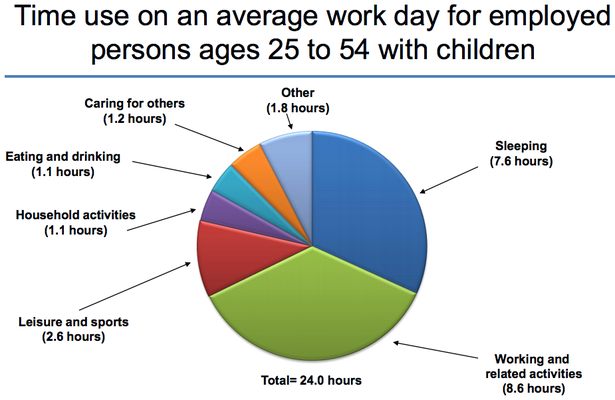
How do most people spend their time?
re here via the always interesting Derek Thompson. Join over 135,000 readers and get my free weekly email update here. Related posts: What 10 things should you do every day to improve your life? How To Make Your Life Better By Sending Five Simple Emails 4 Lifehacks From Ancient Philosophers That Will Make You Happier
1 min read
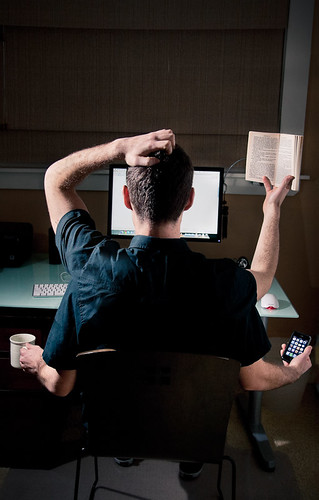
Science Says This Is A Fun Way You Can Get Better At Multitasking
rst, the bad news: your brain was never designed to multitask well: To put it bluntly, research shows that we can’t multitask. We are biologically incapable of processing attention-rich inputs simultaneously. Across the board multitasking lowers productivity: Our results show that multitasking is bad for productivity even if one is not concerned with average duration. Neither gender is better at it: We do not find any evidence for gender differences in the ability to multitask. But if multitasking doesn't work,…
2 minutes

3 Lessons From History’s Greatest Geniuses That Will Make You More Creative
Reflect On What You Are Trying To Accomplish Don't rush in. Plan. Think about what you're trying to do and what it takes to succeed. Via Creating Minds: An Anatomy of Creativity Seen Through the Lives of Freud, Einstein, Picasso, Stravinsky, Eliot, Graham, and Ghandi: ...the lessons that the rest of us can learn from individuals who are highly creative. I culled three: (1) Creative individuals spend a considerable amount of time reflecting on what they are trying to…
2 minutes

The Best Way To Motivate People
phasize forward progress -- not for the sake of the project, but for your team members. Harvard's Teresa Amabile's research found that nothing is more motivating than progress in meaningful work and nothing more taxing than setbacks. Via The Progress Principle: Using Small Wins to Ignite Joy, Engagement, and Creativity at Work: This pattern is what we call the progress principle: of all the positive events that influence inner work life, the single most powerful is progress in meaningful work;…
2 minutes

Is a happy day a creative day?
verall, the more positive a person’s mood on a given day, the more creative thinking he did that day." There was even a carryover effect for the next two days after. Want to be more creative? Get happy. Via The Progress Principle: Using Small Wins to Ignite Joy, Engagement, and Creativity at Work: Our diary study revealed a definitive connection between positive emotion and creativity. We looked at specific emotions as well as overall mood (the aggregate of a person’s…
2 minutes
