What 3 tricks will get people (including yourself) to do things right?
at does it take to get people to do things right? It's an important question. And the answer is not as hard as you might think. But as you'll see, a lot of people had to die before someone realized what works. 1) Make a checklist I've posted before about the power of checklists and Atul Gawande's excellent book on the subject. We're all prone to simple errors. And in some fields these errors are quite costly. In medicine,…
3 minutes
10000 hours is a long damn time: What are the 7 steps to genius?
bsp; 10000 hours? Seriously? So why has this 10000 hours-to-genius idea that Malcolm Gladwell popularized loomed so large? It feels good to think we could all be great, that we're not at the mercy of our genes. But David Shenk also believes there's a second reason: the dread it instills in us. The notion that we're now responsible for whether or not we become great can be a gnawing burden that the mind finds hard to let go. Via The Genius in…
5 minutes
Behavior change: How do you get people to do the right thing?
at's a simple way to cause behavior change? Behavior change is not easy. But there's a great TED talk that shows a simple way to influence people to do the right thing. And it leverages a principle we can all use in our daily lives. Alex Laskey spoke about how we can use the psychology of behavior change to get people to reduce their energy consumption. Grad students hung signs on people's doorknobs, asking them to turn off their air-conditioning and…
2 minutes
Great groups: What 15 things do breakthrough genius teams share?
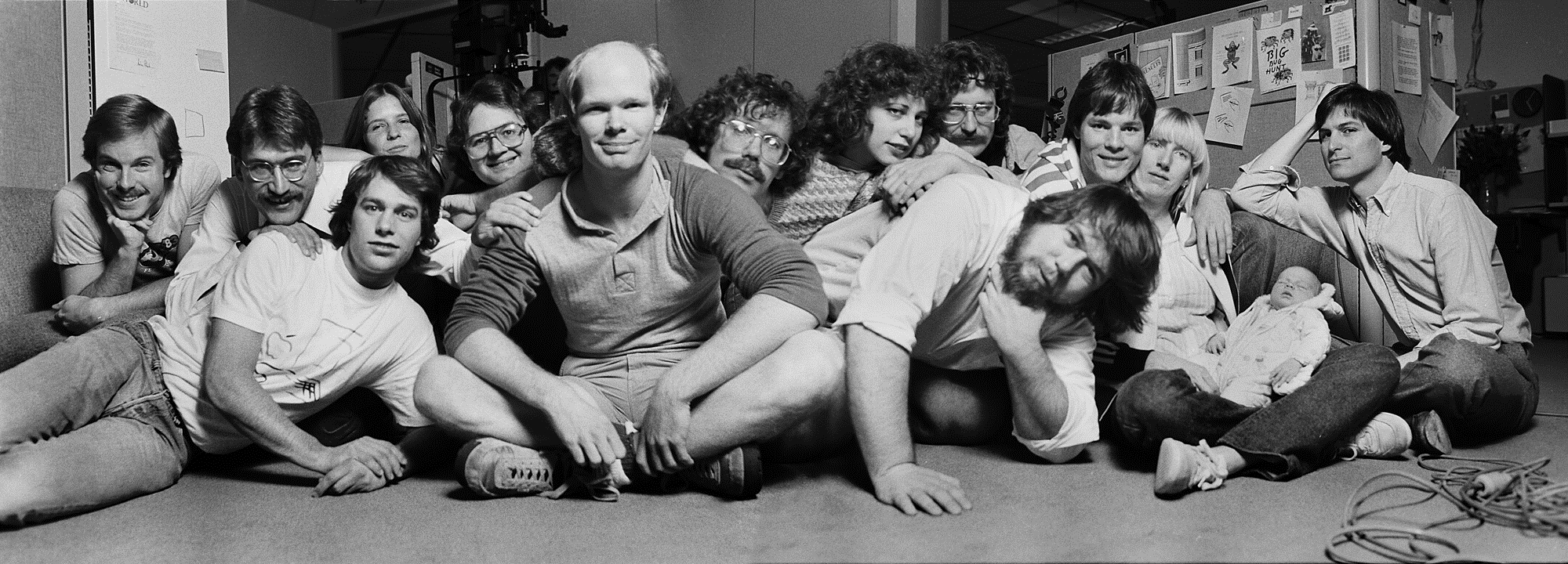
rren Bennis and Patricia Biederman studied a number of breakthrough great groups to see what made them so successful. They compiled the results into their book, Organizing Genius. They looked at the Disney's Animation division, the Manhattan Project (developed the nuclear bomb), Xerox PARC (designed the modern computer interface), the 1992 Clinton campaign (pulled off an enormous victory), Lockheed's Skunk Works (created the U2 spy plane and the Stealth Bomber), and others. What makes Great Groups? Highlights from Organizing Genius: 1. Greatness starts with…
6 minutes
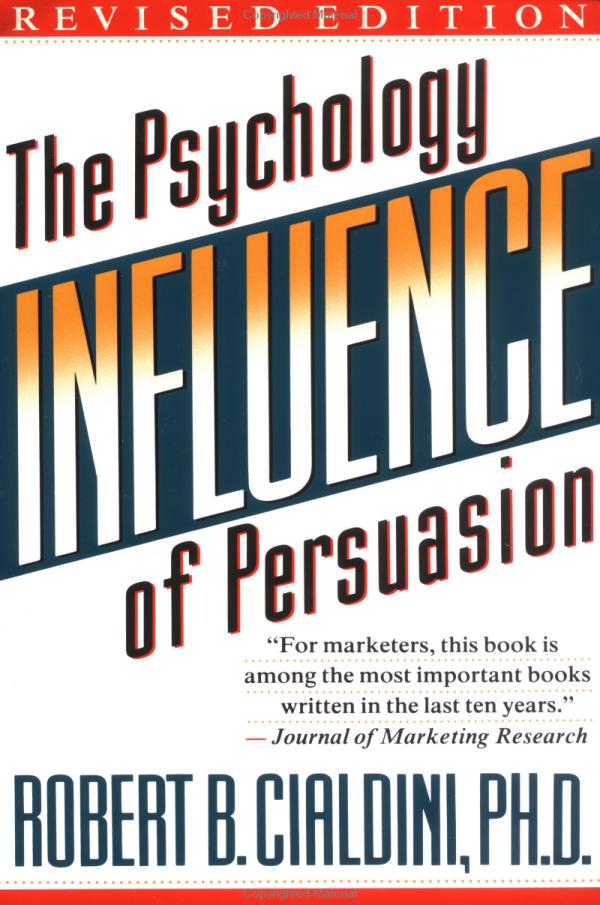
Robert Cialdini explains the six ways to influence people – Interview:
. Robert Cialdini Dr. Robert Cialdini is the authority on the study of persuasion. His classic book, "Influence" has sold millions of copies and is widely regarded as the go-to text on the subject. What makes the book so special is it's not just a collection of academic studies on college students. Bob went "undercover" to learn the secrets of used car salesmen, marketing professionals, telemarketers, and others who influence in order to survive. He distilled his findings down to…
7 minutes

Was Mozart a prodigy — or just a hard worker?
unds like heresy to ask "Was Mozart a prodigy?" I know, you're screaming "He was playing for kings when he was 3 and doing concerts in the womb!" Hold on a minute. The real story has a lot less magic and a lot more hard work. Via The Genius in All of Us: New Insights into Genetics, Talent, and IQ: The reality about Mozart turns out to be far more interesting and far less mysterious. His early achievements— while very…
3 minutes
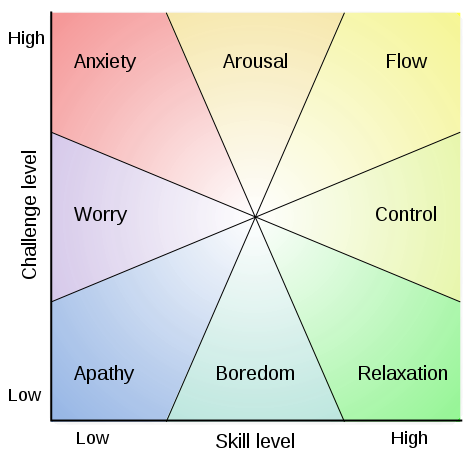
Group flow: How can teams experience “flow” together?
oup flow. It almost seems like a contradiction. Flow is always described as something individuals experience. I've posted research into what top creative companies and creative teams do right but can groups actually experience "Flow"? Flow is the mental state of operation in which a person performing an activity is fully immersed in a feeling of energized focus, full involvement, and enjoyment in the process of the activity… The hallmark of flow is a feeling of spontaneous joy, even rapture, while performing a task although flow is also described… as…
6 minutes

Networking tips for shy people: How should introverts network?
e of the best networking tips for shy people might be simply "Move your desk at work." Via Achieving Success Through Social Capital: Tapping the Hidden Resources in Your Personal and Business Networks: Jeffrey Pfeffer tells a powerful story of a manager who attributes his success to his decision of where to sit. ...After carefully studying the facility layouts, the new director of engineering decided not to occupy his office in the so-called Executive Row. He noted that during the course…
4 minutes
