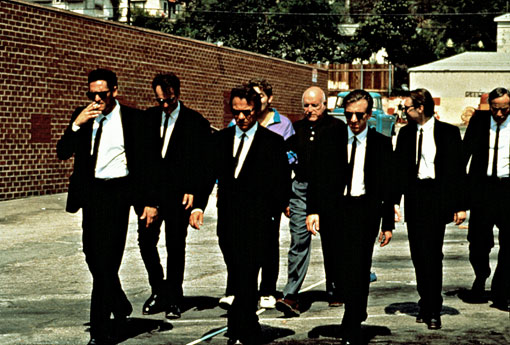
Which is more creative: a team of strangers or a team of old friends?
e perfect mix lies in between the two, and can be measured scientifically. Via Imagine: How Creativity Works: In essence, the amount of Q reflects the “social intimacy” of people working on the play, with higher levels of Q signaling a greater degree of closeness. For instance, if a musical was being developed by a team of artists who had worked together several times before— this is common practice on Broadway, since producers see “incumbent teams” as less risky— that…
2 minutes
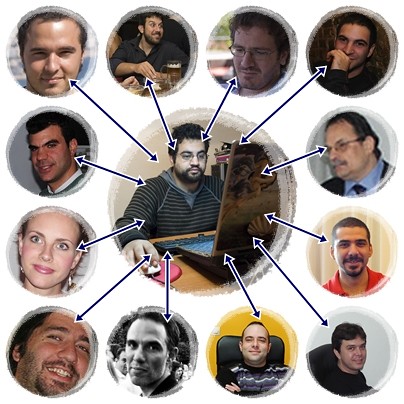
How are you most likely to hear about your next job?
om people you know but aren't very close to. From Charles Duhigg's excellent book The Power of Habit: Why We Do What We Do in Life and Business: In fact, in landing a job, Granovetter discovered, weak-tie acquaintances were often more important than strong-tie friends because weak ties give us access to social networks where we don’t otherwise belong. Many of the people Granovetter studied had learned about new job opportunities through weak ties, rather than from close friends, which makes sense…
1 min read
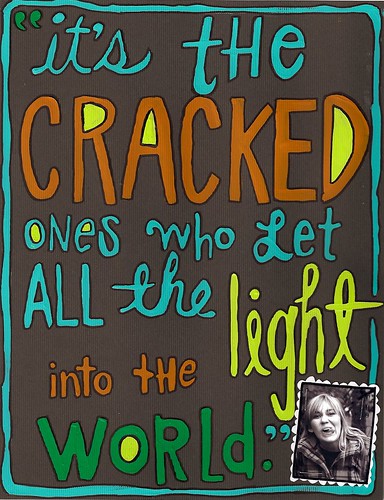
Are the most creative things also the most predictable?
bsp; 89% of highly creative ads fit into just six templates. Only 2% of lesser ads could be categorized. Via Made to Stick: Why Some Ideas Survive and Others Die: In 1999, an Israeli research team assembled a group of 200 highly regarded ads—ads that were finalists and award winners in the top advertising competitions. They found that 89 percent of the award-winning ads could be classified into six basic categories, or templates. And: The researchers also tried to use their six…
2 minutes

Does doodling actually increase your ability to pay attention?
ve posted before about the positives and negatives of daydreaming. Looks like doodling may increase your ability to pay attention when your mind is tempted to wander: Via The Science of Sin: The Psychology of the Seven Deadlies (and Why They Are So Good For You): Now, we know that mind-wandering can hamper memory performance on such tests. Does doodling offer some protection against this? The results of Andrade’s study: doodlers recalled 29 percent more information than nondoodlers did. Precisely…
1 min read
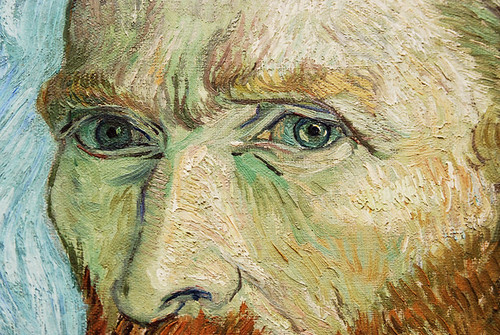
Are great artists more likely to be crazy?
ccessful artists are not more likely to have schizophrenia but they have epic rates of depression and bipolar disorder. Via Imagine: How Creativity Works: Andreasen found that 80 percent of the writers met the formal diagnostic criteria for some type of depression. These successful artists weren’t crazy— they were just exceedingly sad. And: “Successful writers are like prizefighters who keep on getting hit but won’t go down,” Andreasen says. “They’ll stick with it until it’s right. And that seems to be…
2 minutes
Does brainstorming for new ideas really work?
. Via Imagine: How Creativity Works: There’s just one problem with brainstorming: it doesn’t work. Keith Sawyer, a psychologist at Washington University, summarizes the science: “Decades of research have consistently shown that brainstorming groups think of far fewer ideas than the same number of people who work alone and later pool their ideas.” In fact, the very first empirical test of Osborn’s technique, which was performed at Yale in 1958, soundly refuted the premise. The experiment was simple: Forty-eight male undergraduates…
2 minutes

The Average Daily Activity When You Are Full Of Potential Creativity:
ur morning shower. Via Imagine: How Creativity Works: Why is a relaxed state of mind so important for creative insights? When our minds are at ease— when those alpha waves are rippling through the brain— we’re more likely to direct the spotlight of attention inward, toward that stream of remote associations emanating from the right hemisphere. In contrast, when we are diligently focused, our attention tends to be directed outward, toward the details of the problems we’re trying to solve.…
1 min read
3 quick tips for being more creative:
First, try to make yourself happier. Even just watching a short comedy clip can help: Via Jonah Lehrer's book Imagine: How Creativity Works: Beeman has demonstrated that people who score high on a standard measure of happiness solve about 25 percent more insight puzzles than people who are feeling angry or upset. In fact, even fleeting feelings of delight can lead to dramatic increases in creativity. After watching a short, humorous video— Beeman uses a clip of Robin Williams…
2 minutes
