
Should you “fake it until you make it”?
u like confidence. In fact, most of us have such a bias toward confidence we prefer it over actual expertise. Speaking first, speaking confidently and speaking often make you sound like a leader and the people who do that usually end up as the leader -- even if they don't know what they're talking about: Via The Invisible Gorilla: How Our Intuitions Deceive Us: As you’ve probably anticipated, in the actual experiment, the group leaders proved to be no more competent than anyone…
3 minutes
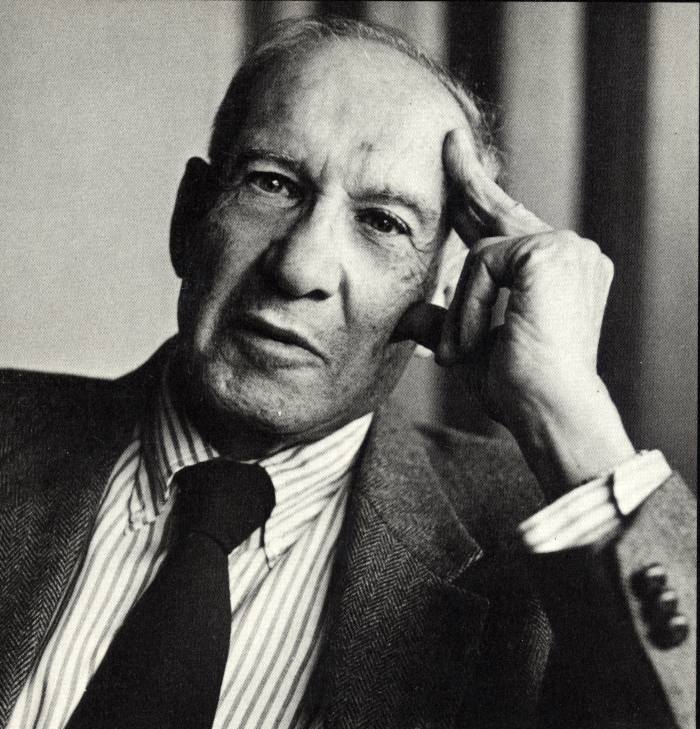
Effective Executive: 5 insights from the #1 management book
te Drucker's book The Effective Executive: The Definitive Guide to Getting the Right Things Done is one of my most frequent recommendations. Everyone can get something from it because it's not about the minutiae of business, it's about organizing your life so you can accomplish the things that are important. Drucker is probably the most influential writer on the subject of management. Why? One of the reasons is that he understood that the most important part of management is knowing yourself. What are the book's…
6 minutes

Howard Suber Of UCLA Film School Explains How To Tell A Story
bsp; Howard Suber is one of my mentors. He founded the graduate program I was in at UCLA and has taught literally thousands of students about the power of film and narrative structure. From his bio at UCLA: During his 40 years on the UCLA faculty, Howard Suber helped establish and also chaired the UCLA Film Archive, the Critical Studies and Ph.D. Programs, and the UCLA Producers Program. He is a former Associate Dean, recipient of UCLA’s Distinguished Teaching Award, and has been…
5 minutes
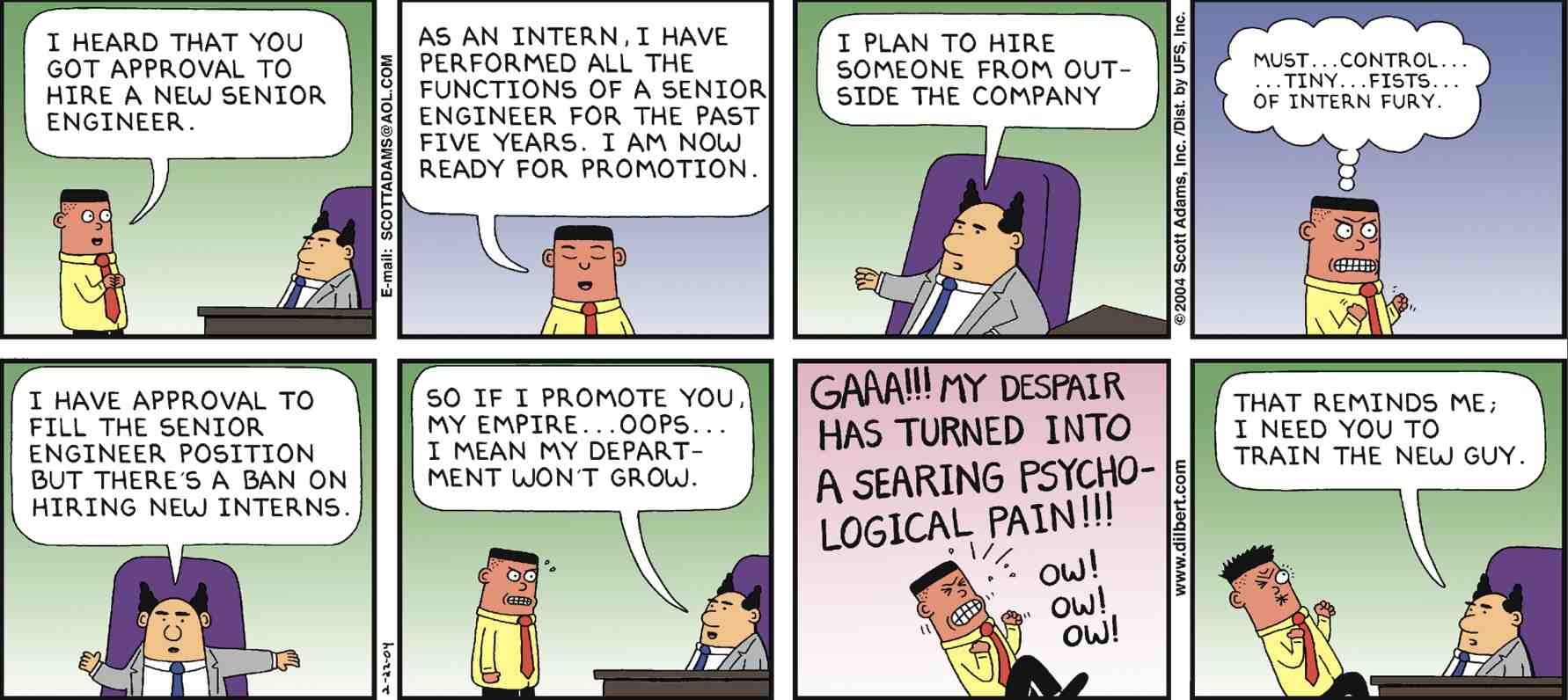
What are the four things your boss will never tell you about getting a raise or promotion?
bsp; 1) Stop thinking doing a good job is the most important thing Hard work isn’t all it’s cracked up to be. Performance is only loosely tied to who succeeds: Via Stanford business school professor Jeffrey Pfeffer's book Power: The data shows that performance doesn’t matter that much for what happens to most people in most organizations. That includes the effect of your accomplishments on those ubiquitous performance evaluations and even on your job tenure and promotion prospects. Research shows being liked affects performance reviews…
2 minutes
How do you find the best mentor for you?
bsp; Mentors have been essential for me. No matter how many books you read or how much time you spend researching on the web, mentors are still a crucial part of learning in any arena. So how do you find a great one? Daniel Coyle goes through the research in his excellent book The Little Book of Talent: 52 Tips for Improving Your Skills and pulls together five points: 1) Avoid Someone Who Reminds You of a Courteous Waiter …one who focuses his…
4 minutes

NYT Bestselling Author Ramit Sethi explains the secrets to managing money, negotiating and networking
friend Ramit Sethi is the NYT bestselling author of I Will Teach You To Be Rich. He's also well known for his blog of the same name. What's always interested me about his work is that it's based on psychology and a strong, practical knowledge of how people really behave. Subscribers to my free weekly newsletter get access to extended interviews. Join here. ——————- The Secret to Managing Your Money: Systems And Big Wins Ramit: One of the things that I talk about…
5 minutes

What do great workplaces, making friends, networking, dealing with kidnappers and being happy all have in common?
l are done well by focusing on other people: Get out of your head and into theirs. Great Work Environments Bob Sutton reviewed Bill and Dave: How Hewlett and Packard Built the World’s Greatest Company and called out “Dave Packard’s 11 Simple Rules” as guidelines for building an excellent work environment. What was #1? 1. Think first of the other fellow. This is THE foundation — the first requisite — for getting along with others. And it is the one truly difficult accomplishment you must…
3 minutes

Checklist: Are you doing these five things to get ahead at the office?
Know How To Give Feedback Why is it so hard to give feedback without people getting angry? It’s a status game. Via Your Brain at Work: Strategies for Overcoming Distraction, Regaining Focus, and Working Smarter All Day Long: The source of the difficulty here lies in who comes up with the solution. Paul’s suggestion makes him look smarter, and Eric less smart. This impacts their relative status, which Eric is likely to fight against. The better Paul’s answer is, the…
5 minutes
